Field notes

Four crossings that looked finished until the hall disagreed

Each piece starts from one moment that still repeats at arrival doors.

These are not recaps of the home page and they are not a diary of destinations. They are notes from crossings where the ticket, the map, or the group plan named the wrong thing: an exit, a last service, a fare window, a meeting point. Read them as field notes, then check the hours again before you travel.

From the desk

Newest first. The first two notes also appear on the home page. The next two stay here.

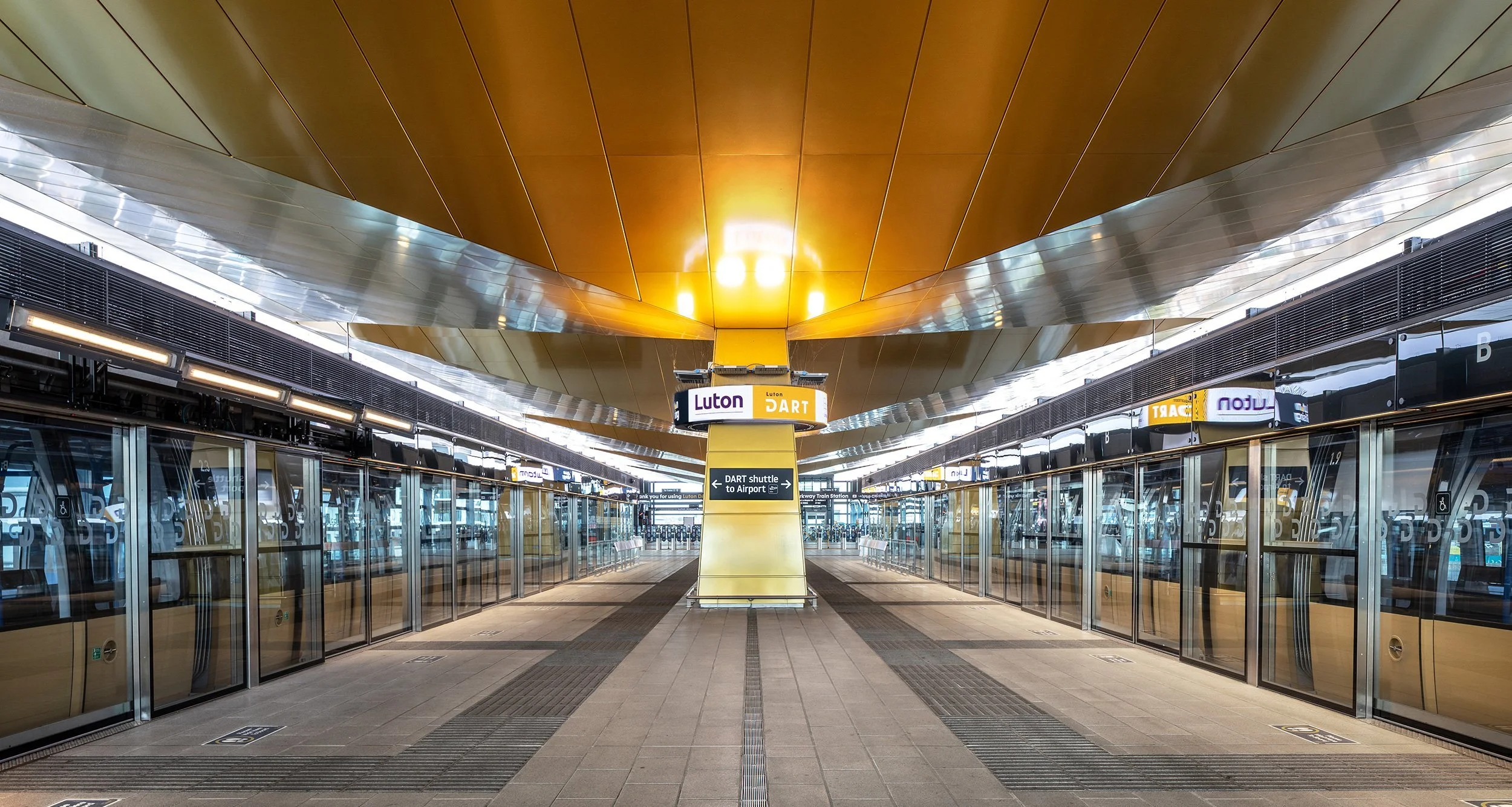
Overhead exit signs in a pale stone ticket hall, arrows pointing toward rail, taxi, and city centre, a row of unused ticket machines along the left wall, and a traveller looking up from a paper boarding stub, 1600x1000

The Exit You Need Is Not the One Printed on the Ticket

Maren Holloway 5 min read

Most tickets name a station or an airport, not the door you will actually walk through. Maren traces how a single misplaced exit sends people into a rank they never meant to use, and what to photograph before the phone loses signal.

Read Article
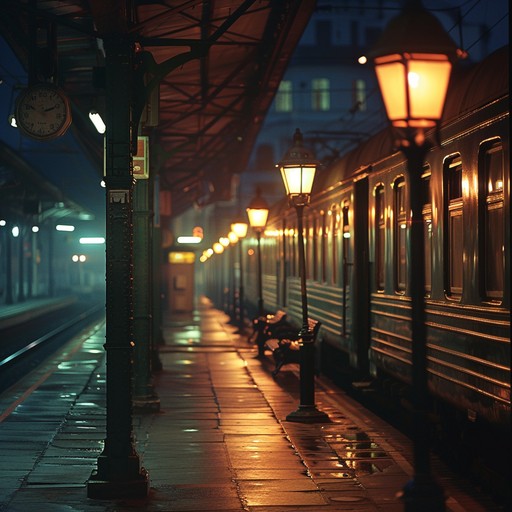
Almost empty night platform lit by a short row of sodium lamps, shuttered kiosks along the far wall, a single bench with a backpack, and wet rails catching the last light beyond the canopy, 1600x1000

When Night Arrivals Empty the Platform

Jonah Ellison 4 min read

After the last regular service, the corridor that felt busy at noon becomes locked shutters and one lit window. Jonah walks through what still runs, what only looks open, and how to keep a backup that does not depend on a live map.

Read Article
Closed fare window under a metal canopy, a faded hours sticker on the glass, a second machine around the corner catching a strip of fluorescent light, and a traveller holding a paper ticket against the shutter, 1600x1000

The Fare Window That Closed Before You Reached It

Lila Okonkwo 3 min read

The window that sold tickets at noon can be a shutter by the time the belt empties. Lila follows one closed counter to the machine around the corner, and why a second fare method has to be ready before you leave home, not invented at the glass.

Read Article
Glass station doors seen from inside, two adults and a child standing clear of the walkway beside a column, a folded stroller upright, and daylight catching dust on the automatic doors, 1600x1000

Agreeing on One Door When the Group Splits

Soren Blake 5 min read

A group that separates at the gates without a named door spends the evening looking for itself. Soren writes the meeting mark that still works if one bag is late, a child needs the washroom, and the phone has no signal in the corridor.

Read Article

Need a crossing written for your own arrival

If a note here matches the hour you are facing, we can take the same checks and apply them to your ticket and your lodging address. Bring the landing time, the bags, and who must stay together.

Contact Us

How the desk decides what to publish

The about page is the other half of these notes: why the subject is only the first transfer, how a route is allowed onto the page, and which sources we will not quote once a door name goes stale.

Learn More

How to read these materials

amphibolid writes about first-transfer planning and offers consultations on routes from an arrival point to lodging. The notes here show how a crossing is built, what usually breaks it, and which questions to ask before you travel.

Timetables, ticket rules, door hours, and the way a hall is signed can all change without notice, so check the details again with the operator, the lodging, and the people meeting you. You decide how to travel and which advice to use, and amphibolid is not responsible for delays, missed services, or closed doors.