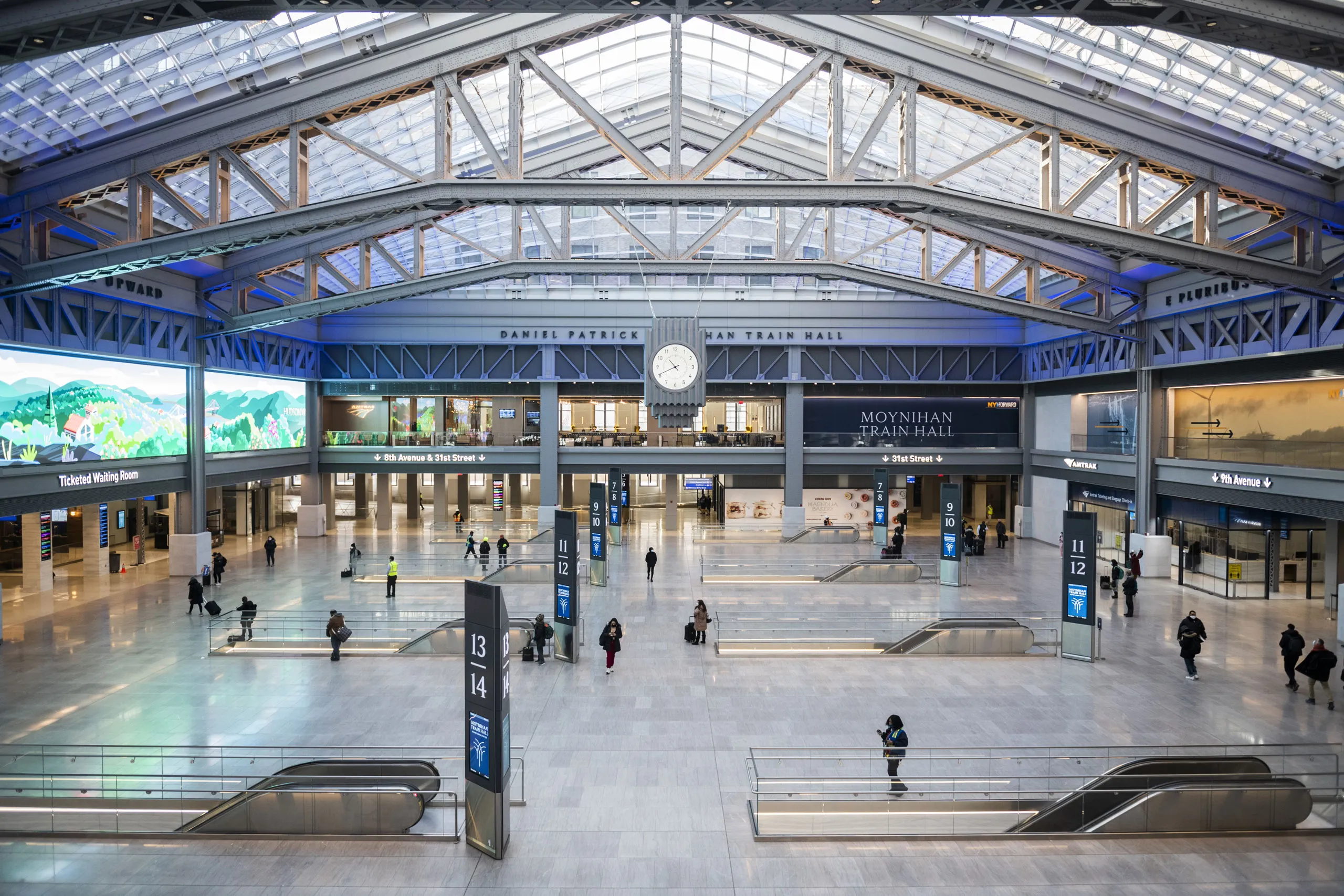
Long arrival hall at dusk with a polished stone floor, warm ceiling lights in a receding line, a traveller pulling a hard-shell suitcase toward distant glass doors, and a departure board glowing above a quiet ticket barrier, 1920x1080

Arrival briefings

The First Transfer: How to Reach Lodging from Arrival Without Losing the Evening

The ticket is bought. The bed is reserved. The stretch between them is still a separate journey.

We treat the walk from a station, airport, or coach hall to the lodging door as its own stage of the trip. The map makes that stage look short. On the ground it is a wrong level, a door that only staff use, a service that thins after dark, and a bag that will not take the stairs. We show how to join the arrival point and the address into one route you can still follow when the first option fails.

Learn More
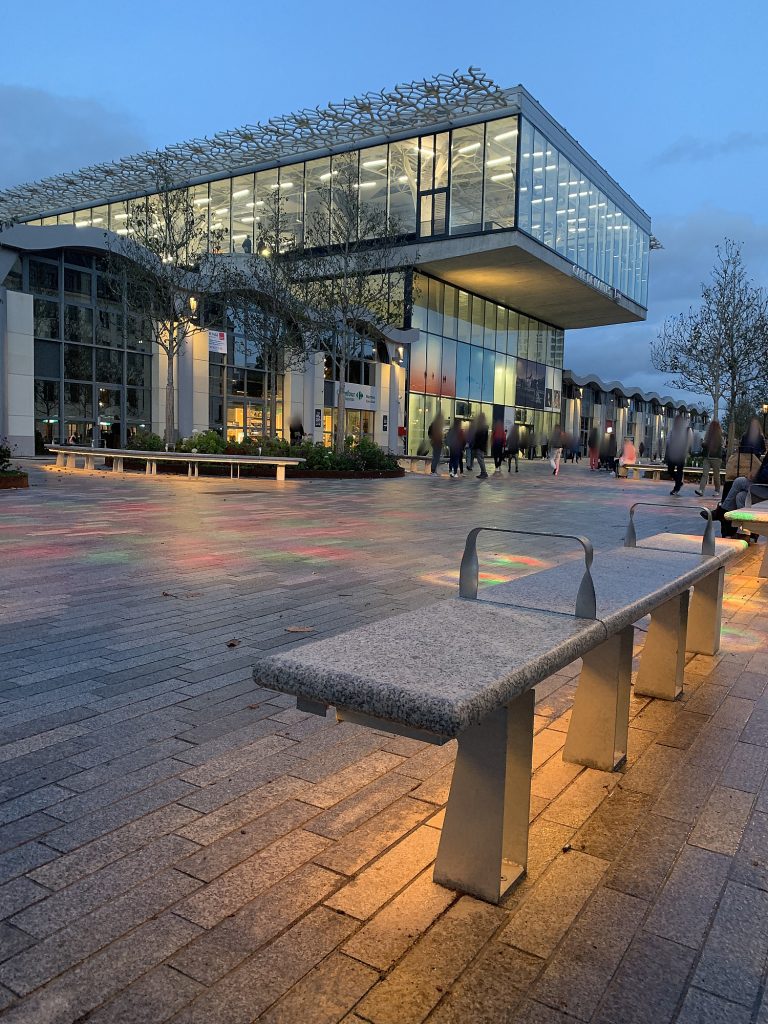
Station forecourt at dusk with wet paving reflecting amber lamps, a covered taxi lane to the right, a bus shelter with a printed timetable, and one traveller pausing under a clock with a backpack and a folded paper map, 1600x1067

The stretch nobody reserved

People plan the long ride and the first night as if they already touch. Between them sits an hour that was never given a name: leave the hall, find the public side, pay for a ride that may not accept the card you packed, and still reach a door that only opens after a call.

That hour is where the first evening disappears. You are not lost in a dramatic sense. You are standing under a sign written for people who already know which wing they need. The queue you joined is for a different service. The last regular departure left while you were still at the belt.

We write about this stretch because it is easy to treat as errands. Errands do not need a spare plan. A first transfer does. If the primary option is closed, delayed, or simply on another level, the evening is already spent unless a second option was written down before you left home.

Our briefings start from that gap. We do not promise a smooth crossing. We describe how the gap usually opens, and what to hold in your hand when it does.

Read the arrival point before you stand in it

A ticket names a place. It rarely names the door you will actually walk through, the level of the transit hall, or the one exit that still has a working machine after dark.

Which hall, which public door

Arrivals boards point at a wing. The walk to transit often starts from a different one. We note the public door, not the staff corridor that looks closer on the map, and we write down the sign text you should see when you are on the right side.

Levels, lifts, and the quiet staircase

Many crossings fail on a single floor change. A lift that closes after late arrivals, or a staircase with no landing for a hard case, can cancel an otherwise workable route. Floor changes go into the plan with the same weight as the ride itself.

Landmarks that survive a dead signal

The arrivals corridor is a poor place to wait for a network. We keep two offline marks: a fixed object you can see from the doors, and a street-level name you can ask for even if you cannot pronounce the rest of the address.

The lodging door after hours

Collecting a key late at night is a second arrival in its own right. We ask which entrance still opens, who answers once the desk closes, and what they need to hear, so you are not standing at a locked courtyard with nobody to call.

Three ways across, and why they are not interchangeable

Public transit, a booked car, and a walk can all cover the same line on a map. They do not spend the same nerves, and they do not fail in the same way when the bag is heavy or the hour is late.

Shared services

Honest when the timetable still holds

A posted service is predictable until the last departure has gone. We use it when the walk from the public door to the platform is short, the ticket can be bought before you travel, and there is a second service you can name if the first is cancelled.

  • Prepare more than one fare method before you leave.
  • Count the transfer, not only the ride time.
  • Write the last departure as a clock time, not “late.”

On foot

Only as short as the bag allows

A walk that looks like twelve minutes on a screen can be a crossing of slip lanes and a bridge with no lift. We treat walking as a first choice only when the surface, lighting, and weight of the bags would still be acceptable if you had already been travelling all day.

  • Check kerbs and crossings, not only distance.
  • Avoid routes that depend on an unmarked shortcut.
  • Stop treating “close on the map” as a decision.

Recent field notes

Two recent pieces from the desk. Each one starts from a moment that looks small until you are the person holding the bag.

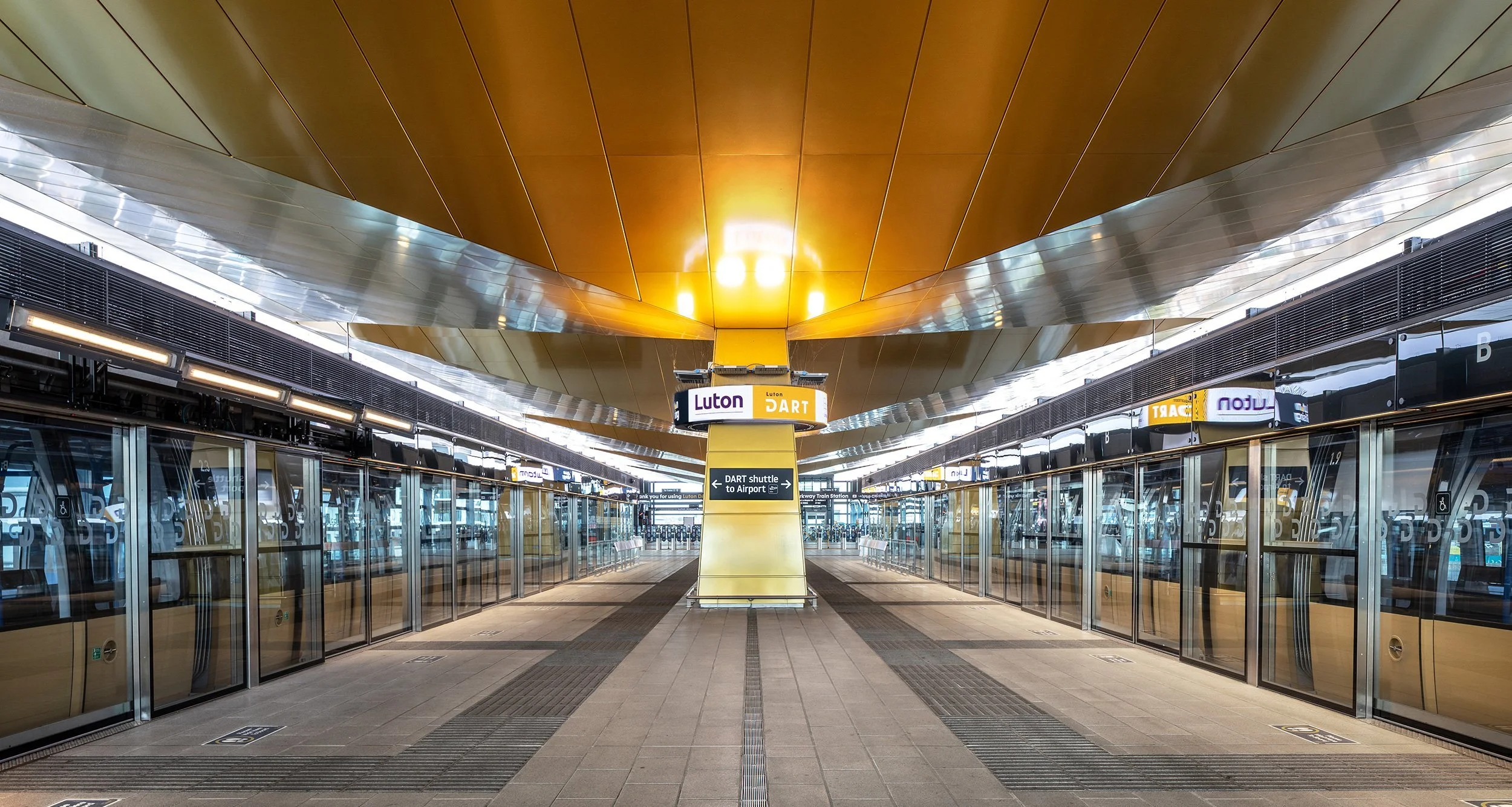
Overhead exit signs in a pale stone ticket hall, arrows pointing toward rail, taxi, and city centre, a row of unused ticket machines along the left wall, and a traveller looking up from a paper boarding stub, 1600x1000

The Exit You Need Is Not the One Printed on the Ticket

Maren Holloway 5 min read

Most tickets name a station or an airport, not the door you will actually walk through. Maren traces how a single misplaced exit sends people into a rank they never meant to use, and what to photograph before the phone loses signal.

Read Article
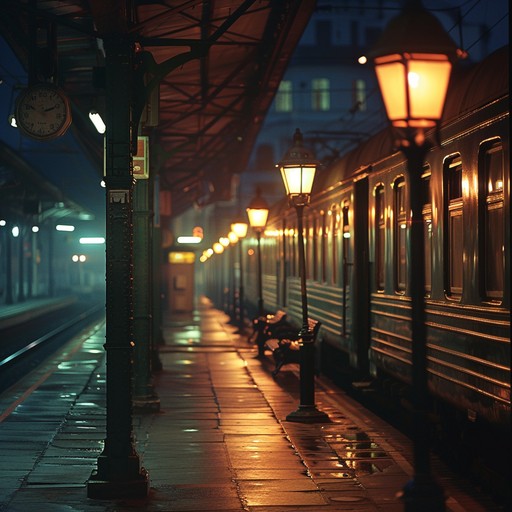
Almost empty night platform lit by a short row of sodium lamps, shuttered kiosks along the far wall, a single bench with a backpack, and wet rails catching the last light beyond the canopy, 1600x1000

When Night Arrivals Empty the Platform

Jonah Ellison 4 min read

After the last regular service, the corridor that felt busy at noon becomes locked shutters and one lit window. Jonah walks through what still runs, what only looks open, and how to keep a backup that does not depend on a live map.

Read Article

View All Articles

Bring us the arrival and the lodging address

If you already hold a ticket and a reservation, we can help you turn those two facts into a crossing with a spare. Tell us the hour you land, what you are carrying, and who is travelling with you. We will tell you what still needs checking before you leave.

Request a Consultation

How we work

We read the timetables, door hours, and hall layout for the crossing you are about to make, then write a primary route, a spare, and the questions still worth asking before you leave. Where we have not used a door ourselves, the briefing says so.

How to read these materials

amphibolid writes about first-transfer planning and offers consultations on routes from an arrival point to lodging. The notes here show how a crossing is built, what usually breaks it, and which questions to ask before you travel.

Timetables, ticket rules, door hours, and the way a hall is signed can all change without notice, so check the details again with the operator, the lodging, and the people meeting you. You decide how to travel and which advice to use, and amphibolid is not responsible for delays, missed services, or closed doors.