Night rearranges the building, not just the light
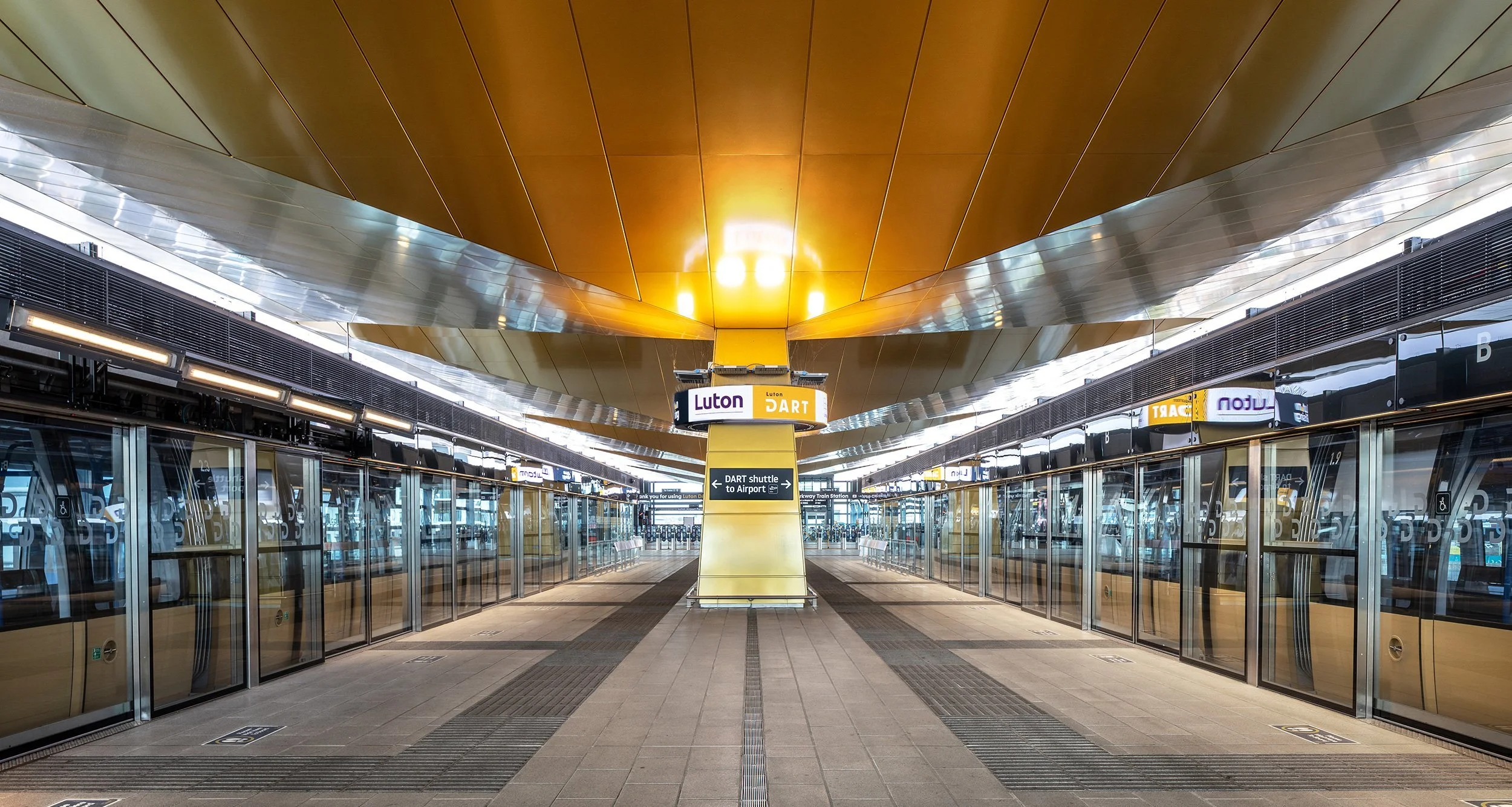
A daytime briefing assumes a timetable, an open lift, and a person at a window. After the last regular service, those three facts can all be false at once while the building still looks like a station. Lights stay on. Signs stay up. The corridor still has a direction. What it no longer has is a public option that matches the plan you wrote at lunch.
The empty hall works nothing like it did at noon. Lifts stop. Ticket windows close. The posted board may still show a service that left while you were waiting for a bag, and a live map will keep offering that service until you reach the barrier and find it locked. Speed does not reopen a shutter. Night briefings start from which fact will fail first, not from the daytime map with a later clock written in the margin.
What still runs, and what only looks open
I now split the night hall into two lists before I trust any door. The first list is what I have confirmed with a clock time: a last posted service, a lift that still works, a lodging entrance that still answers. The second list is everything that only looks available: a lit kiosk, a screen that still cycles, a rank with a car waiting for someone else. The checks are small:
- Read the last departure as a clock time, not as “late.” If your landing hour sits after that time, the primary option is already retired. Do this before you fly, not under the board.
- Walk to the window or machine you planned to use and look at the shutter, not the sign above it. A sign can outlive the hours printed on a sticker at eye level.
- Test the lift with the bag beside you. An empty staircase is no help at all if the case will not take the steps.
- Confirm the lodging door in words: which courtyard, who answers, what sentence they need. The night desk needs as much planning as the ride itself.
Electricity is the cheapest thing in a station after midnight. A lit window proves nothing about whether anything is still for sale.
A backup that does not need a live map
Night is when the network fails in the corridor and the map still believes the last train exists. The spare has to live on paper. I keep four lines, written before I leave home:
- the last clock time for the primary service, copied from a source I checked twice;
- the public door I will use if that service is already gone;
- the outdoor mark where a booked car should wait, described in a sentence, not a pin;
- the lodging entrance after the desk goes dark, including who picks up and what they need to hear.
That spare costs more time and nerves than the daytime crossing. It is supposed to. Night options are fewer. A booked car is the right choice when stairs or a closed lift have already killed the posted service. It is the wrong choice if the pickup pin sits inside a lane that is locked after hours. Agree the door text. Stand where a person can legally stop.
What I no longer do after a late landing
I no longer walk toward the only lit window as if light meant a ticket, or refresh a map in a corridor with no signal and call that a plan. If you write to amphibolid with a night arrival, send the landing hour and the last service you believe still runs. If those two hours do not leave a walkable gap, retire the primary option on paper before you stand in the hall.