The stub is a building. The hall is a set of doors.
A ticket names a station, an airport, sometimes a wing. It almost never names the public door that still opens onto the street you need. People treat the largest word on the stub as a direction. They walk toward “Central” or “Terminal” as if those words were exits. They are the name of the building you are already standing in. The useful mark is smaller: a letter for a hall, a colour on a beam, a number for a level, a phrase on a hanging sign that is not on the ticket at all.
If you have not decided which mark is yours before the belt empties, you will decide under the board with a bag on one shoulder. That is when the nearest arrow wins: the taxi lane, the staff corridor, or the door that dumps you onto the wrong side of a glass wall.
How the wrong door is chosen
A misplaced exit is rarely dramatic. You take one confident turn and then spend twenty minutes walking around the outside of a building you have already left. The signs were honest. You asked them the wrong question. Before I leave the arrivals side now, I run the same short sequence:
- Read the hanging board as a list of public doors, not as a confirmation of the ticket.
- Find the first outdoor mark you will still recognise with the phone off: a clock, a sculpture, a numbered canopy. Write it down.
- Check whether the door you want shares a lift or a staircase that closes after late arrivals. A correct name on a closed level is still a closed door.
- Name the rank you do not want. If the taxi lane sits under the brightest sign, assume that is where tired people will go.
The hall is not trying to hide the exit. It is written for people who already know which door they used last time.
What to put in your hand before the signal dies
Arrivals corridors are poor places to wait for a map to load. The photograph has to happen while you still have a bar of signal, or while the board is still in front of you. I take three frames I can still read later:
- the hanging signs with the arrows, taken close enough that the words stay sharp;
- the door itself, including any letter or number on the frame;
- the first outdoor object I will use as a meeting mark if I have to turn back.
The cost of those three frames is a pause at the top of the stairs. If someone is meeting you, send the outdoor mark, not a pin dropped inside a restricted lane. A pin inside the hall is how drivers wait at the wrong curb.
The rank that looks like the way out
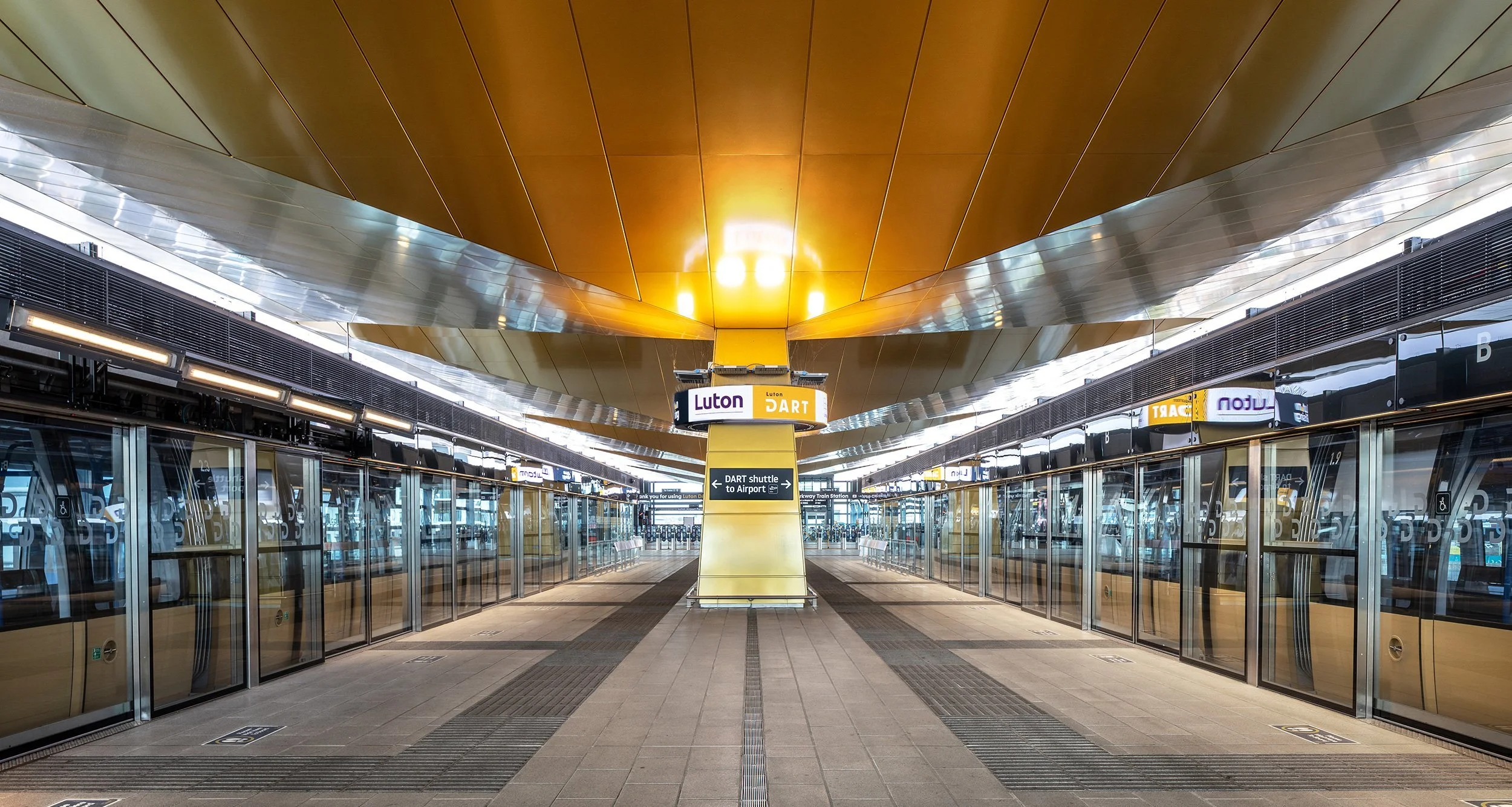
Taxi and booked-car ranks are often the brightest doors after a long ride, which is why they collect people who have not decided. I have watched a driver and a traveller stand thirty metres apart, both under a sign that said “Pickup,” because the hall has two of them. Agree the door text before you land: the door under the yellow beam, not the one by the fountain. If you cannot say that in a sentence, you do not yet have an exit.
Sometimes the honest door is the dull one: a side passage, a longer walk, a staircase with no advertisement. Choosing it costs minutes. Choosing the bright door can cost the evening.
What this does not fix
A photographed board will not open a closed lift or turn a staff corridor into a public door. It only keeps you from inventing a direction after the signal dies. If you write to the amphibolid desk, send the words on the hanging signs, not only the name on the ticket.