A group is several clocks, not one plan
A briefing written for one person assumes one bag, one washroom stop, and one pair of eyes on the board. A group breaks those assumptions at the first delay. The person with the late bag is on a different clock. The person with a child is on another. If you have not named a door before you split, each clock invents its own meeting place.
Phones do not fix this. Arrivals corridors drop signal. A pin dropped on the wrong side of the glass is how two people stand thirty metres apart and call that a plan. The meeting mark has to be a sentence a tired person can still say: which door, which side, which object next to it.
Name the door before anyone walks away
I now make the group repeat four facts out loud before anyone leaves the knot:
- The exact door text, including a letter or a colour on the frame, not “the main exit.”
- Which side of the glass we wait on, and how far from the walkway so bags do not block it.
- Who stays with the bags if a washroom or a late belt pulls someone away.
- How long we wait at that mark before the spare plan starts, said as a clock time.
A meeting place you cannot say out loud in one sentence will not survive the first delay.
Marks that survive a missing phone
I choose an object that is still there if the phone dies:
- a numbered column or a clock you can describe without pointing;
- a bench or a recess clear of the automatic doors;
- the side of the glass that does not sit in a restricted lane.
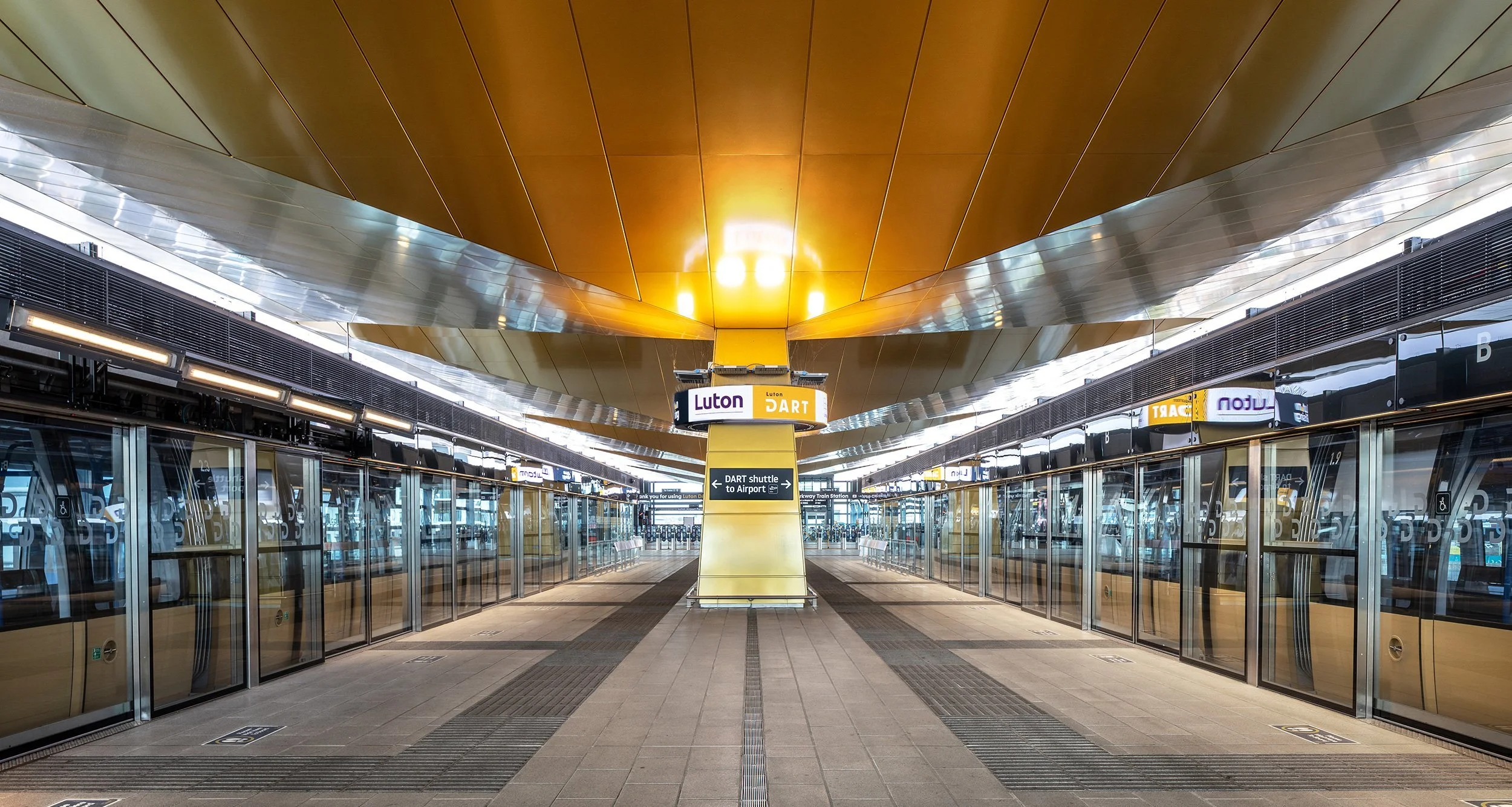
The mark has to be dull enough that a child can stand there without being in the stream of arrivals. Glass doors look like an obvious place and are the worst one: people flow through them, and two groups can wait on opposite sides without seeing each other. A column five metres inside, on the arrivals side, is slower to reach and easier to find.
When the split is already happening
If a bag is late, the person at the belt should not invent a new door. They return to the named mark, even if it feels slower. If a child needs the washroom, one adult stays with the bags at the mark. The person who leaves says the door again before they go. Those two habits look fussy. They prevent the evening search.
There is a cost. Waiting at a dull column while the others finish a belt feels idle. Walking back to a door you already passed feels like wasted time. The wasted time is the search through three exits that all look like “the glass doors.” I accept the idle minutes.
Sometimes the honest choice is not to split at all. If the belt is slow and a child cannot wait, the whole group goes to the washroom first, then to the belt, then to the named door. That order is slower on paper. It is faster than three people hunting through a hall. Splitting is a tool for a late bag when someone can stay still. It is a poor tool when everyone is moving.
What a named door cannot do
A meeting mark will not speed a late bag or open a washroom that is on the other side of a barrier. It only keeps the group from becoming four separate arrivals. If you write to amphibolid with a group crossing, send the door sentence you will use if one person is delayed. If you cannot write that sentence yet, you are not ready to split.